
PLATFORM
The Challenge
Finding the one in a billion
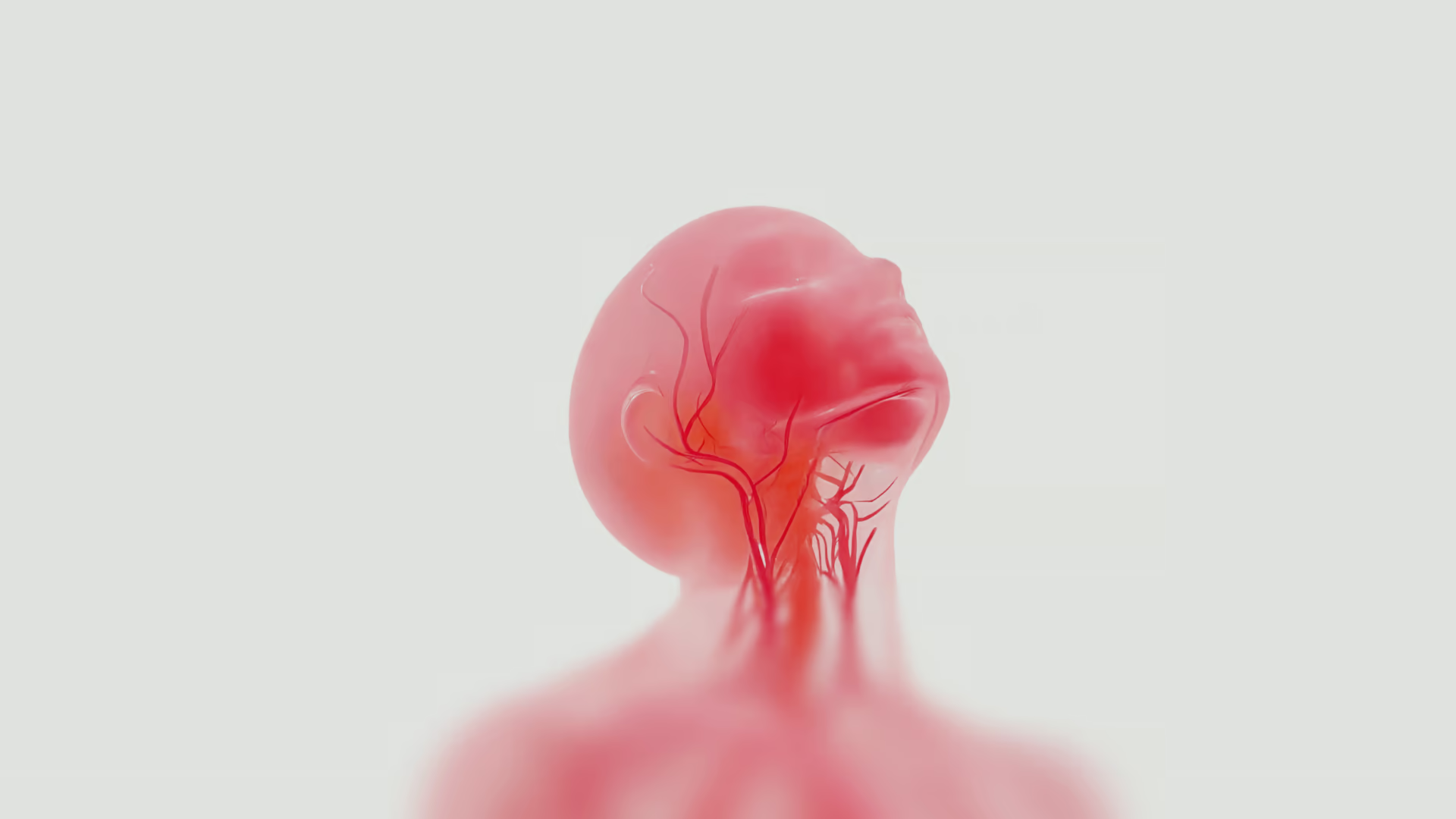
Many of the cells that matter most in disease are also the hardest to find. MRI stops at the millimeter scale, and imaging and blood tests provide a snapshot of a disease that keeps evolving.
How it works
The world's smallest MRI
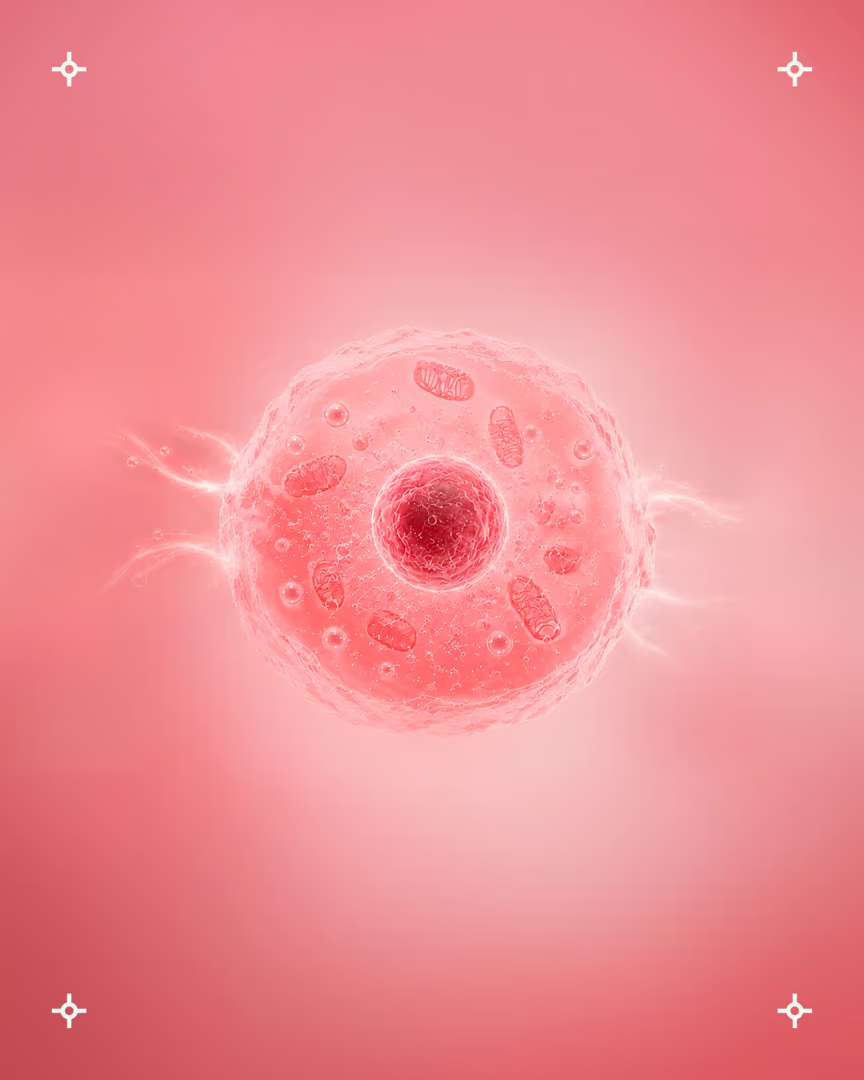
Qtas builds on the same physics as a traditional MRI. But instead of imaging organs inside the body, it reads the magnetic signals around individual cells.
Traditional MRI
IN VIVO
Qtas qMRI
IN VITRO
Sample

A traditional MRI scans organs and tissues inside the body.
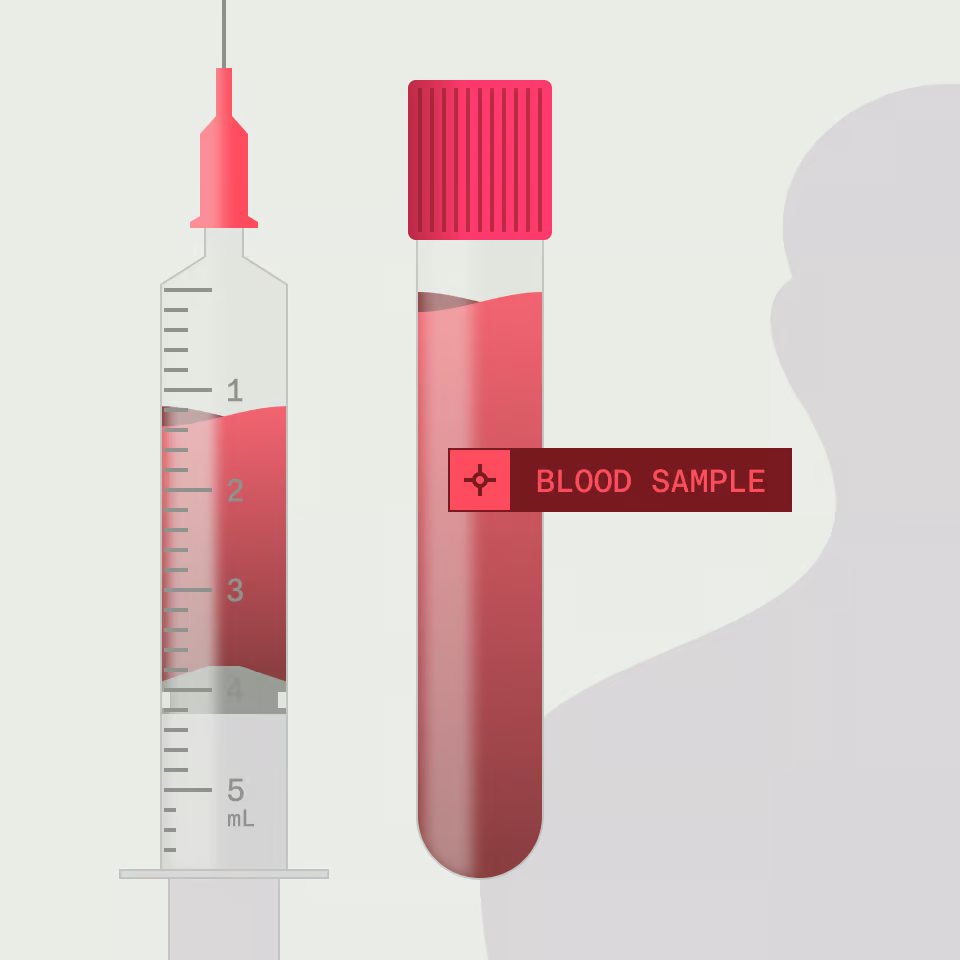
Qtas examines liquid biopsy samples, such as whole blood or cerebrospinal fluid.
Contrast Agent

A contrast agent can be given to the patient to make certain tissues easier to see.
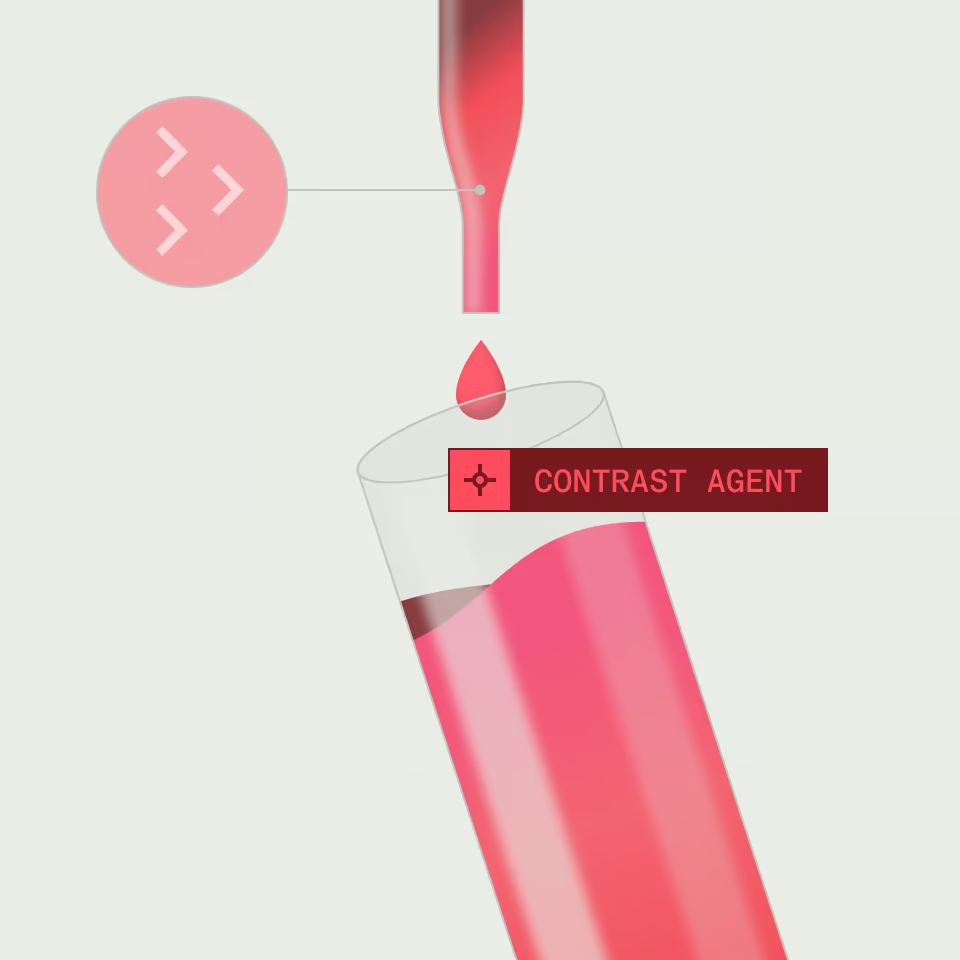
Contrast agents or hyperpolarized compounds can be added directly to the sample .
Water Diffusion
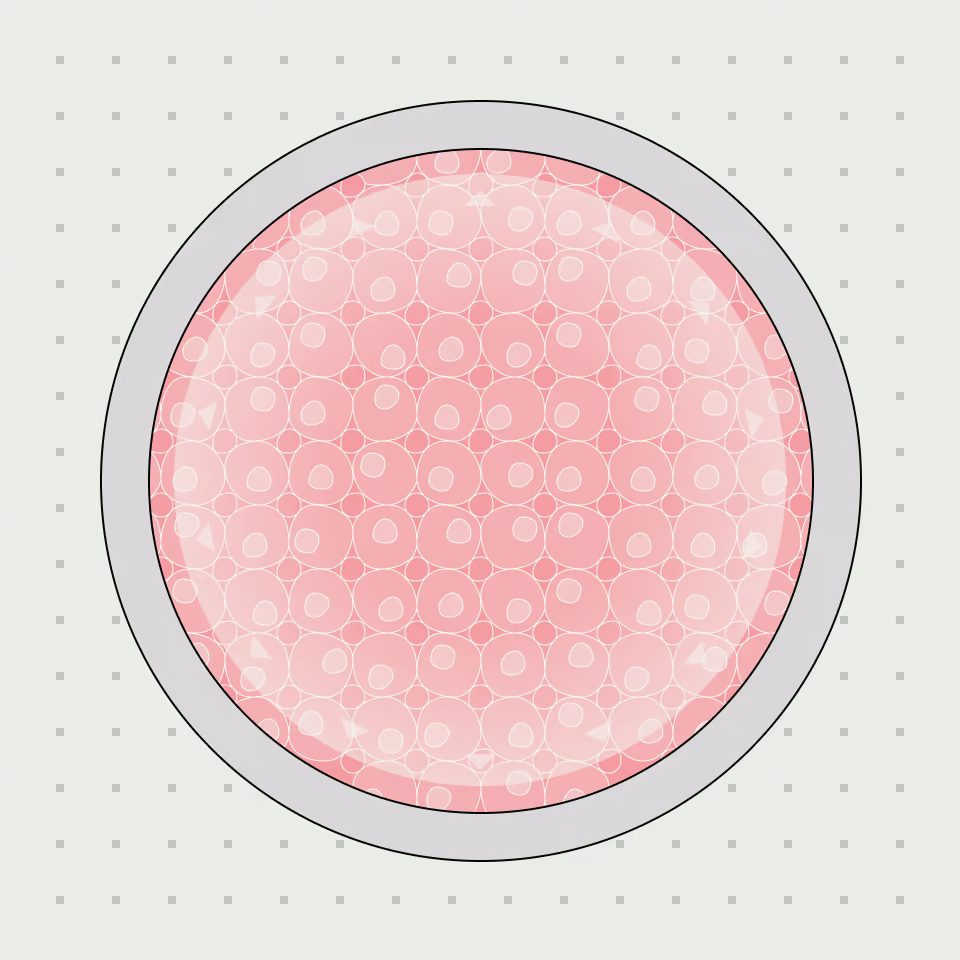
The agent circulates through the body, changing the magnetic environment.
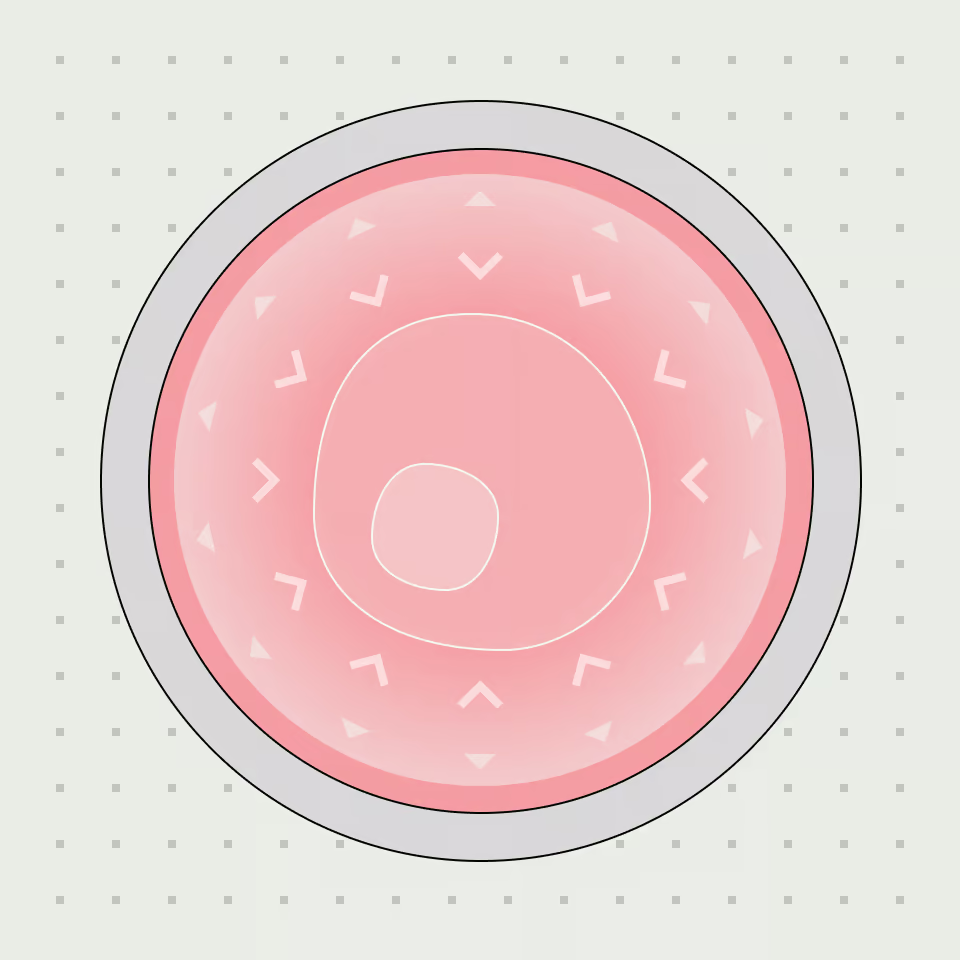
Qtas measures related magnetic behaviour in the microscopic space around a cell.
Detection
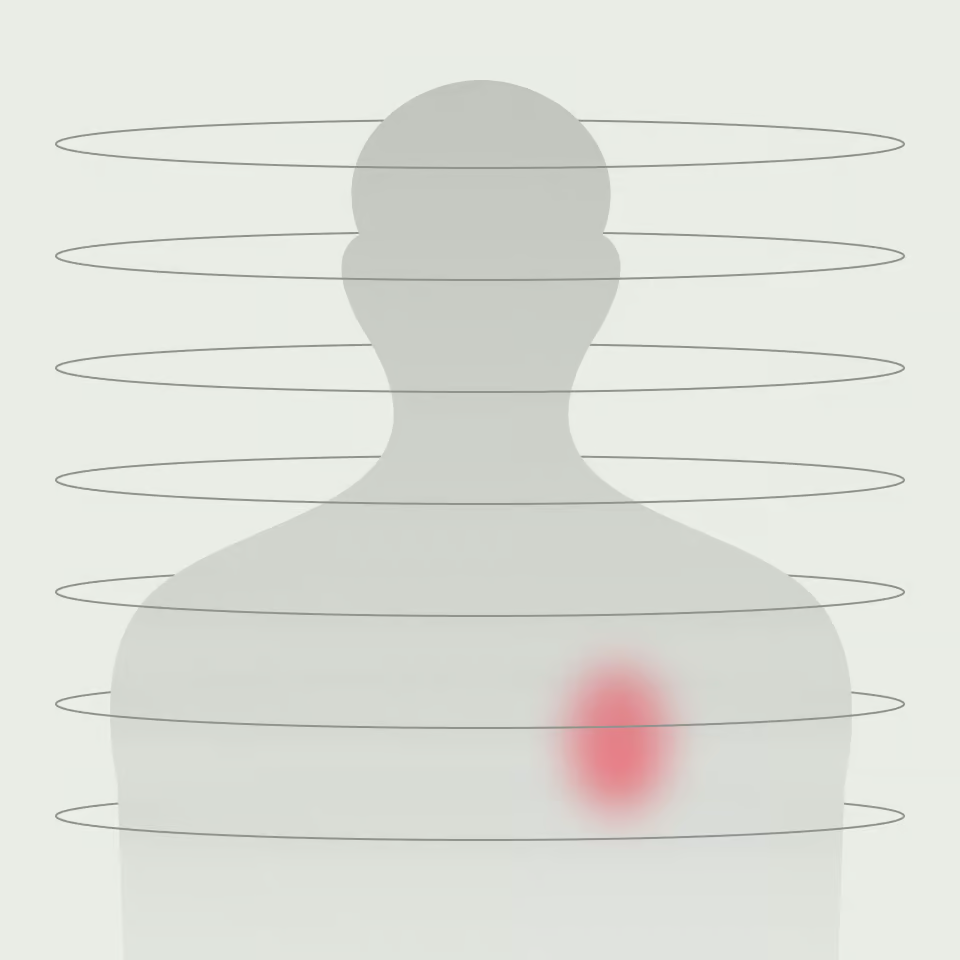
Radiofrequency coils detects weak electromagnetic signals produced by precessing nuclear spins.
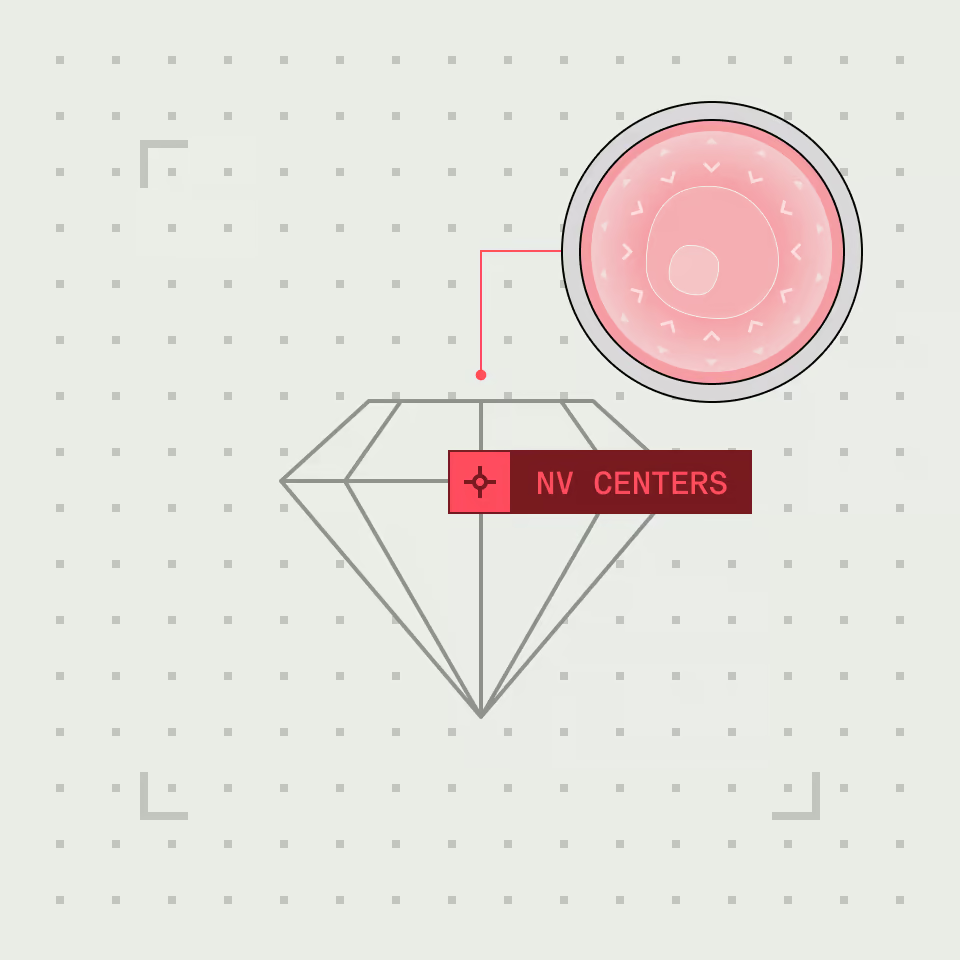
Qtas uses a diamond containing tiny sensing structures that respond to magnetic signals.
Parallelization
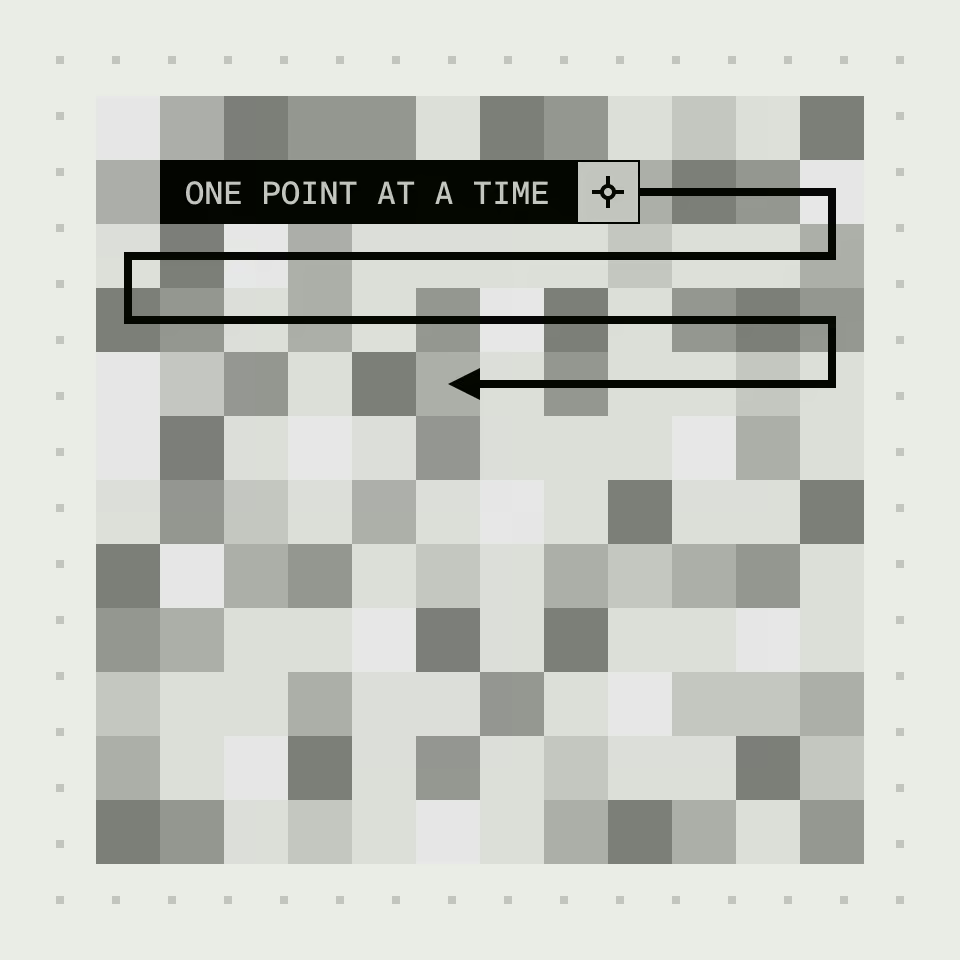
The scanner uses magnetic fields to determine where signals come from and reconstructs them into an image.

The diamond converts those signals into changes in light, recorded by a camera, to create a microscopic map.
Result
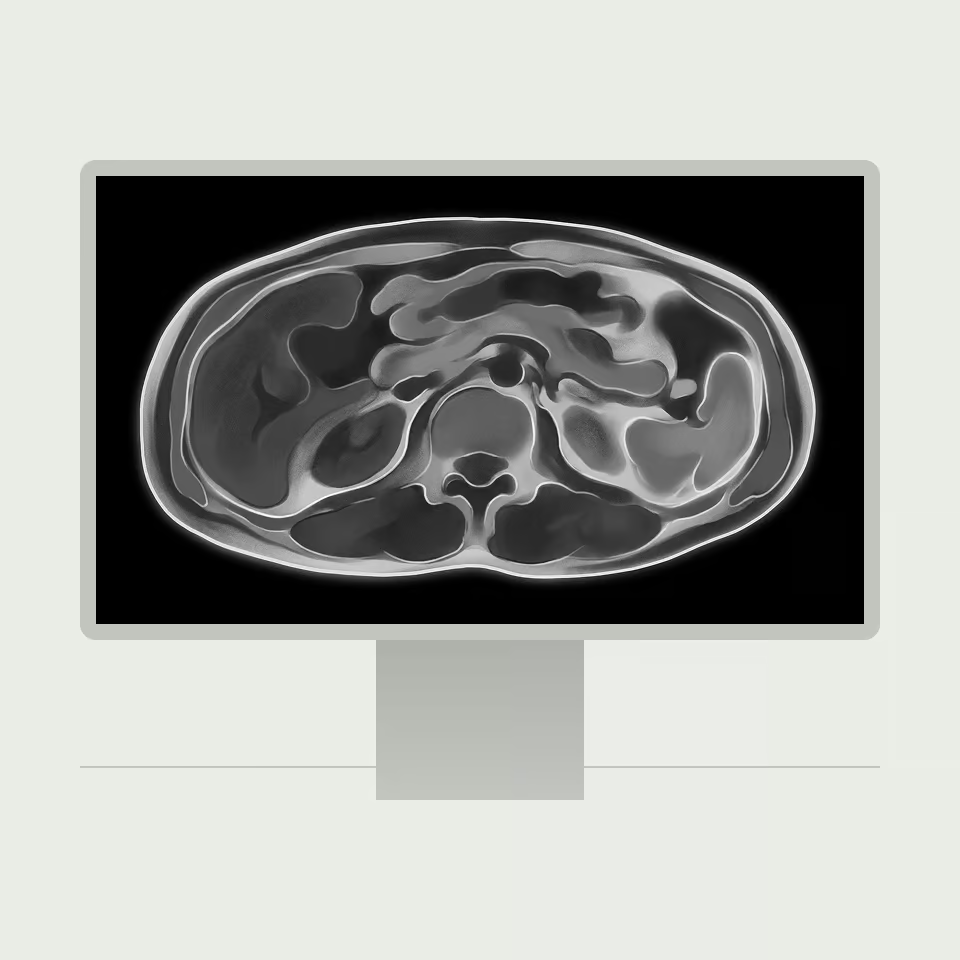
The images show a detailed images of organs and tissue, which is useful to detect diseases such as tumours.

Qtas shows individual cells, such as CTCs, rare immune cells, or other low-abundance cell types.
Benefits
The upstream layer for downstream analysis
Detected rare cells are sorted and kept intact for further analysis, supporting downstream workflows such as molecular, genomic, proteomic, or single-cell analysis.
Limit of detection
1 cell
Recovery in model studies
Up to 95%
Sample throughput (mL/h)
Up to 12
Plate compatibility (wells)
96/384
DNA, RNA and protein
3 layers
Research
Publications
The science behind Qtas, published by our founders.
applications
Rare cells. Broad impact.
Starting with oncology, Qtas is currently working with some of the world’s leading medical institutions to detect and recover rare tumour cells to support more targeted treatments. Our ambition to extend the platform into areas including prenatal health, cardiovascular disease, and women’s health.
Neuro-oncology
A non-invasive way of studying brain cancer, by recovering rare tumour cells directly from CSF.

Therapy monitoring
Tracking how cancer responds to treatment through a simple blood straw, starting liver cancer.

Cardiovascular disease
Identifying rare cells in blood that signal damage, inflammation or repair after heart attacks and in vascular disease.

Women’s and prenatal health
Access to rare fetal and placental cells in blood could open new research paths in prenatal testing, preeclampsia and endometriosis.
Future applications
The next frontier: label-free detection.
Qtas is working toward improving the sensitivity of the platform to identify disease without knowing what to look for. This could open new possibilities for earlier diagnosis, treatment selection and real-time monitoring.