Every patient is unique. Yet treatment decisions are still too often based on population averages and a limited snapshot of each person's illness.
Qtas exists to make personalised medicine the standard for all. By providing the missing biological data at the individual level, our mission is to turn single-cell precision into better outcomes for each patient.
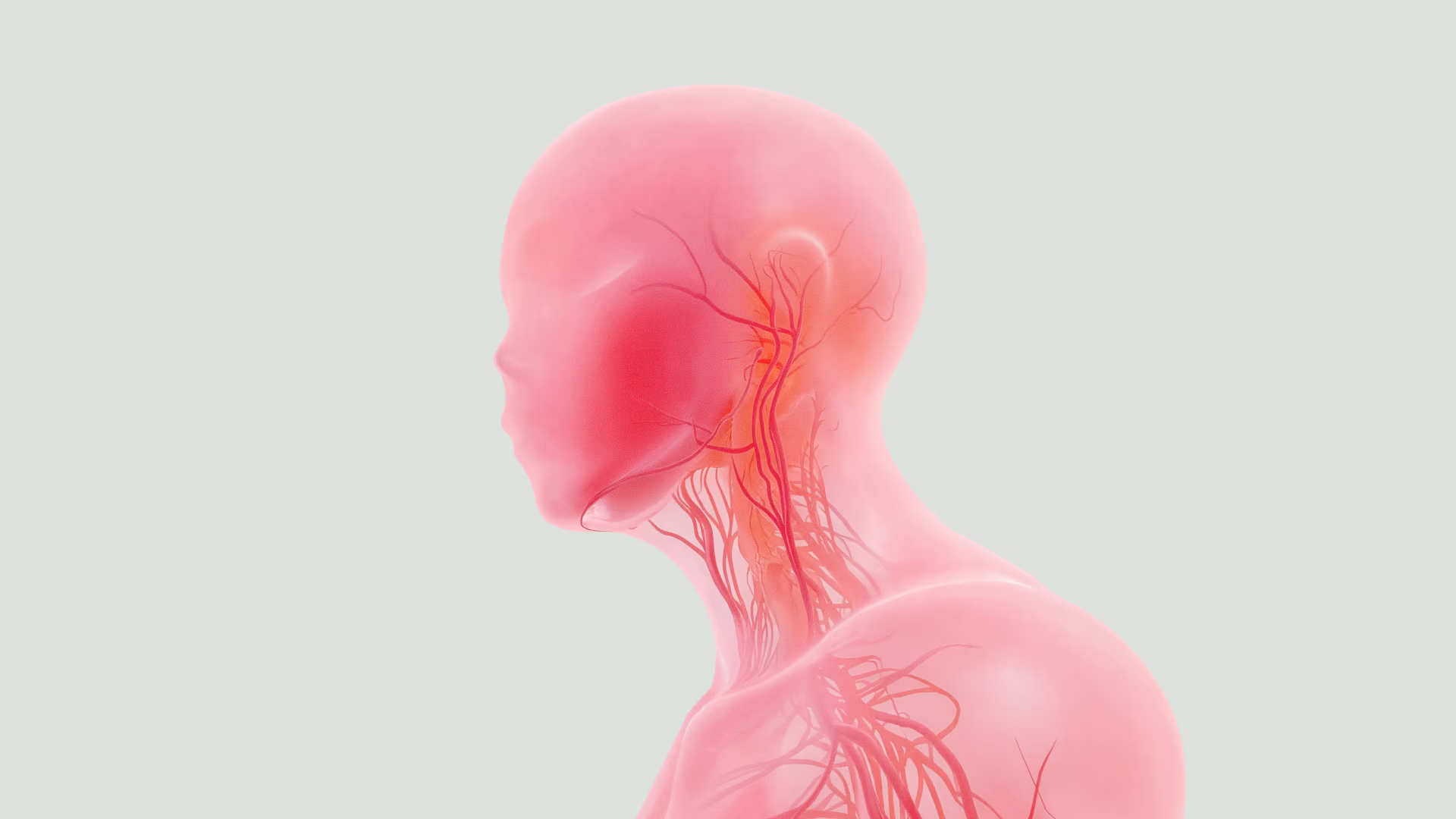
Qtas was born out of a breakthrough in quantum sensing, initiated by Professor Dominik Bucher at Harvard. The science behind our platform has been published in Nature Communications, and Science Advances and our team has earned multiple awards.
Team
Not your average team.
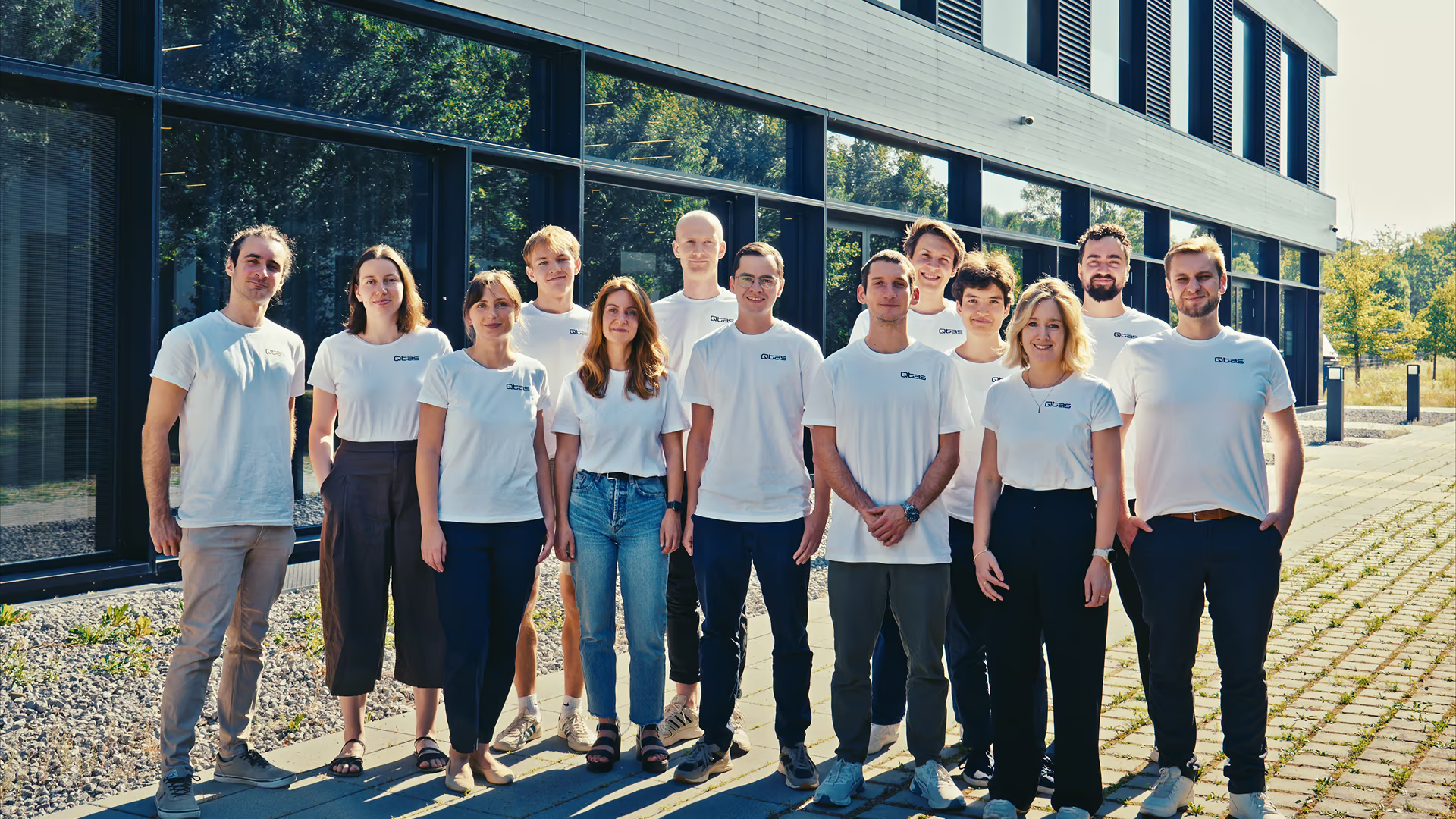
Qtas unites experts across quantum sensing, biology and technology to set a new standard for medicine.
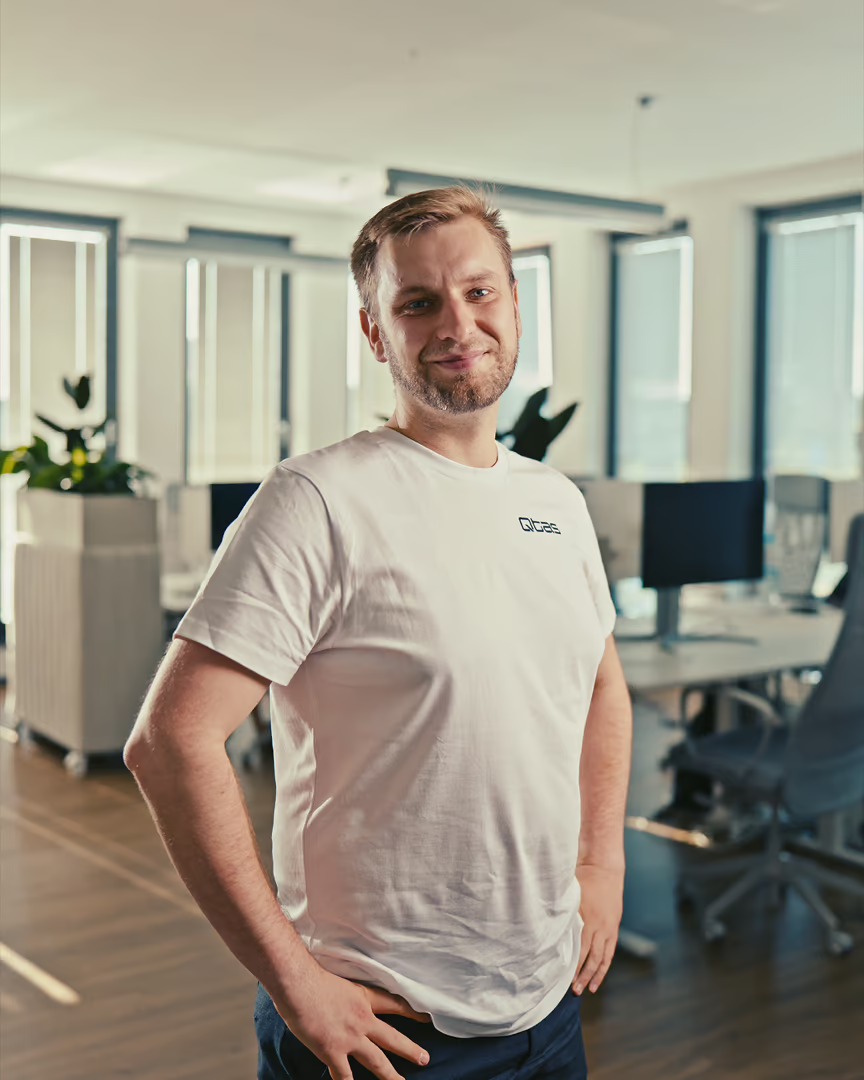
Robin Allert
Co-founder & CEO
Robin Allert is a serial entrepreneur and published scientist turning quantum research into real-world applications. Having lost his mother to cancer, Qtas’s mission holds a deeply personal meaning for him. He has been recognised by DLD20 as one of the most innovative young minds.
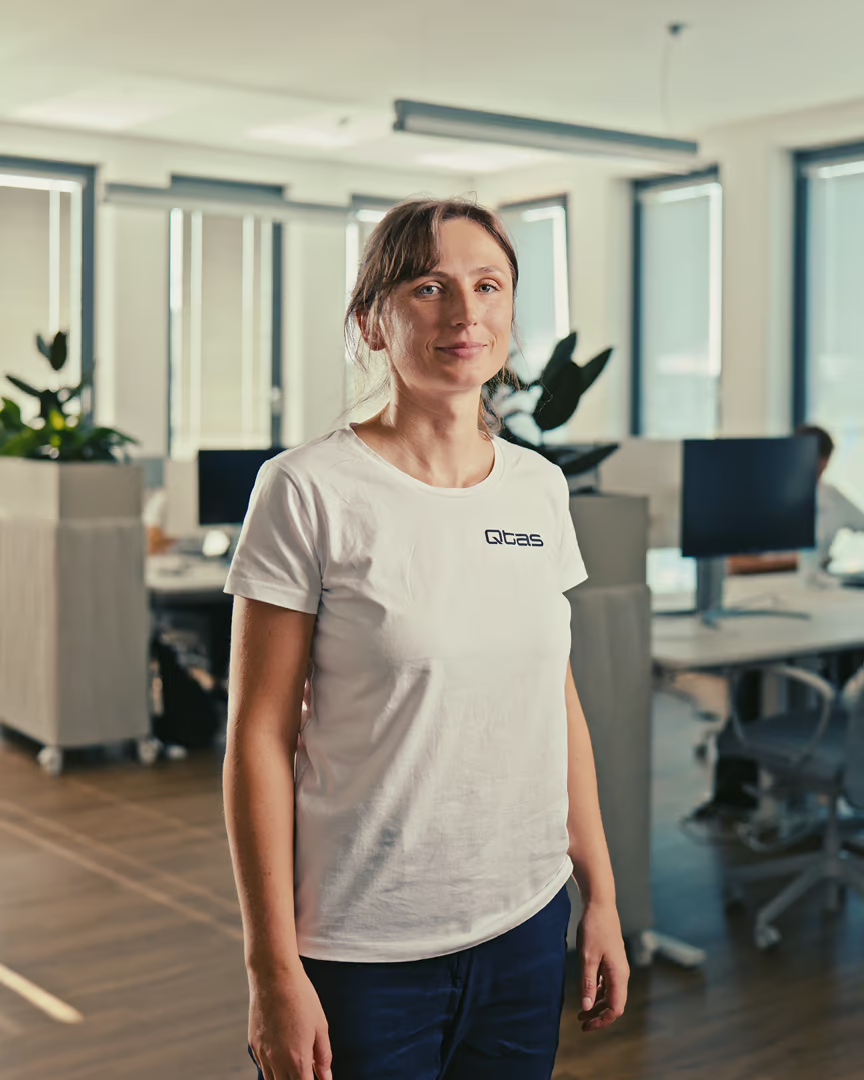
Dr. Justyna Ogonec
Head of Biomedicine
Dr. Justyna Ogonek brings over a decade of experience in cancer therapy development and translational oncology. Her expertise spans functional cell assays, cancer immunotherapy, and molecular profiling, including single-cell RNA sequencing. At Qtas, she leads biomedical R&D and clinical validation.
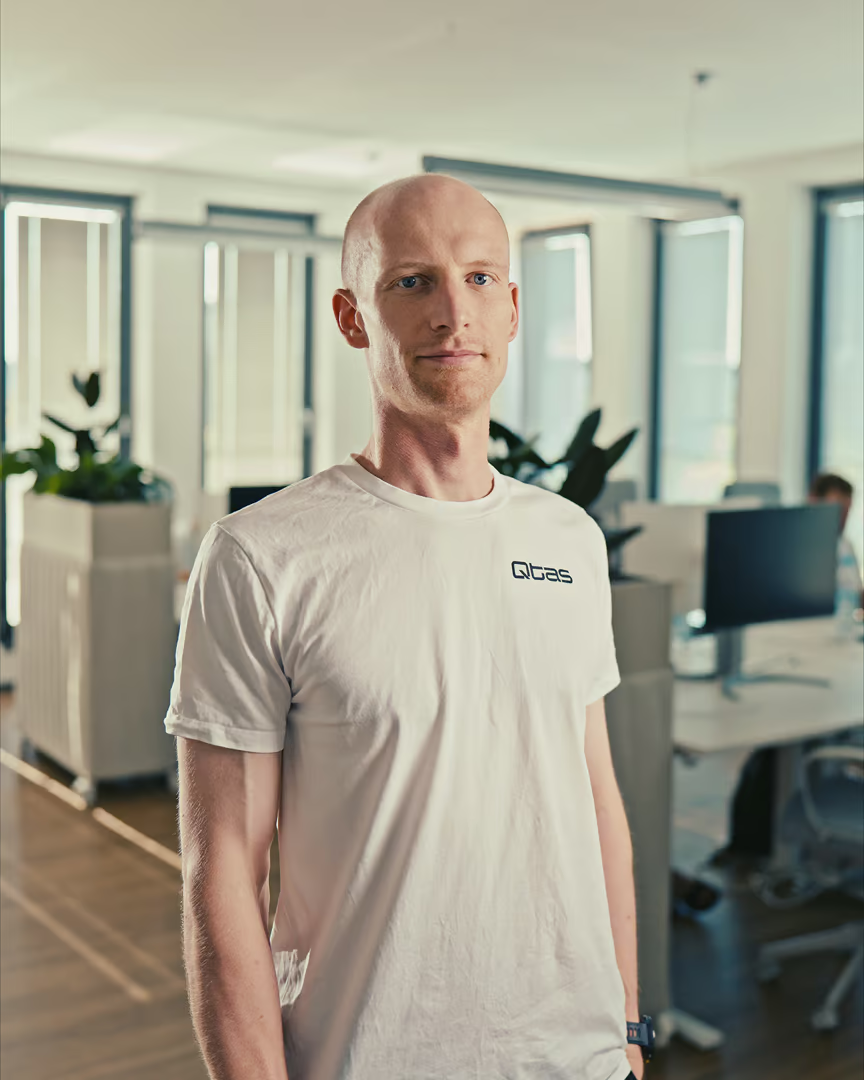
Nick Grafenstein
Co-founder & CTO
Nick von Grafenstein combines years of quantum-sensing research with deep hardware expertise. His doctoral work at TUM focused on label-free cell detection. He built the qMRI hardware behind Qtas and now leads its development from proof of concept towards clinical applications.
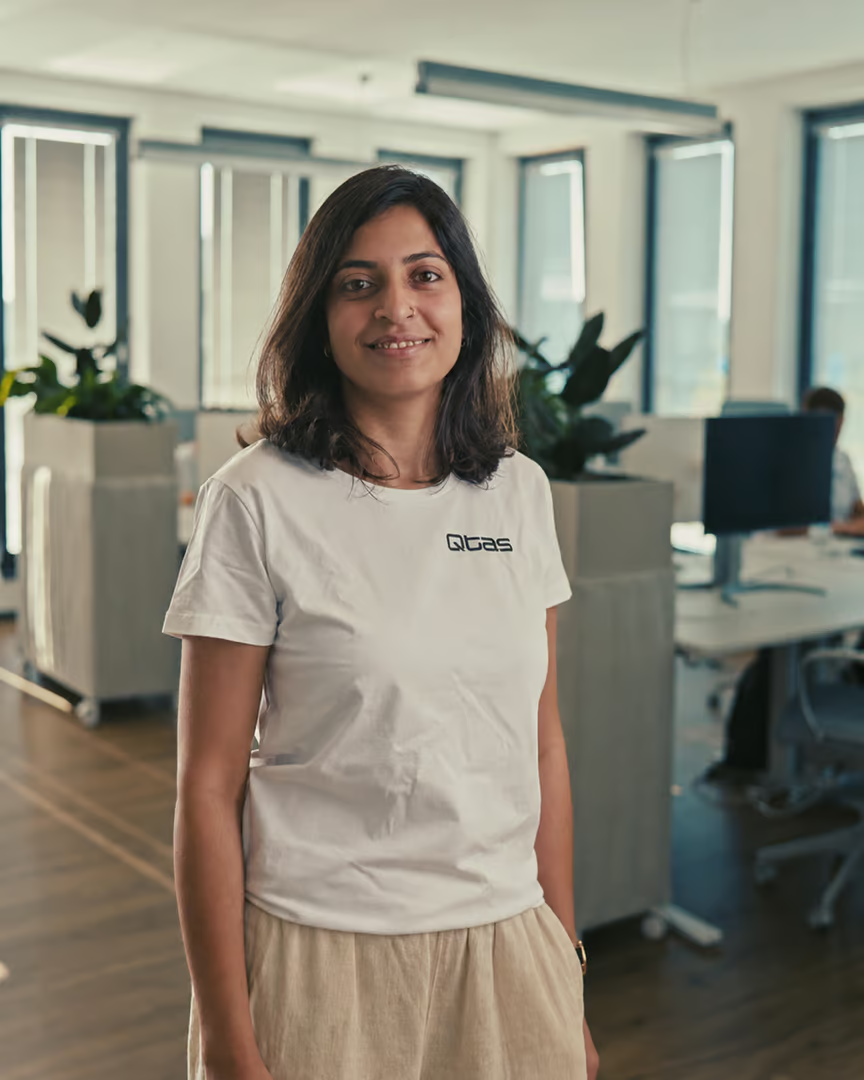
Priyanka Ravikumar
Head of Business Development
Dr. Priyanka Ravikumar combines a PhD in neuroscience with experience in pharma consulting and venture capital. Her research focused on liquid biopsy approaches to Alzheimer’s disease. She now leads business development at Qtas, bringing scientific and commercial perspectives to the company’s partnerships.
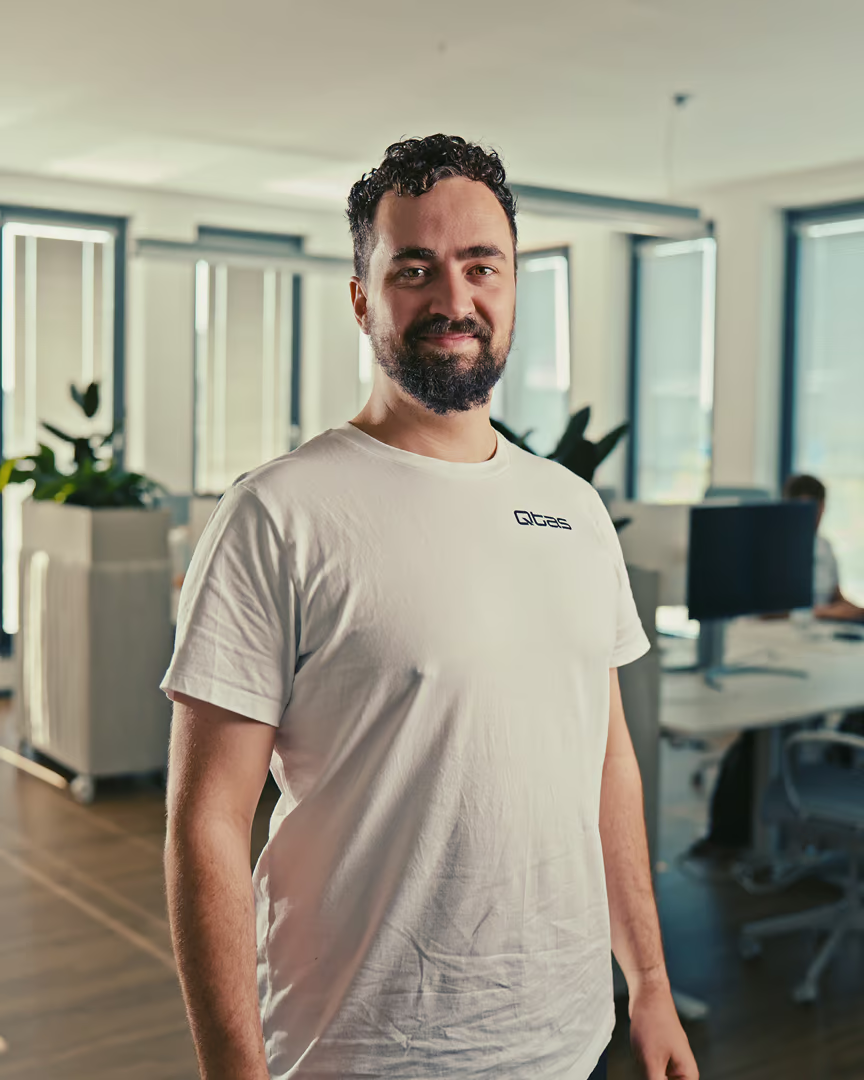
Karl Briegel
Co-founder & COO
Karl Briegel combines quantum physics with deep software expertise. In Professor Dominik Bucher’s lab at TUM, he co-invented the optical MRI microscopy behind Qtas and developed its control and analysis software. He is first author of the Nature Communications paper introducing the technology and previously co-founded and led Altax AI as CEO.
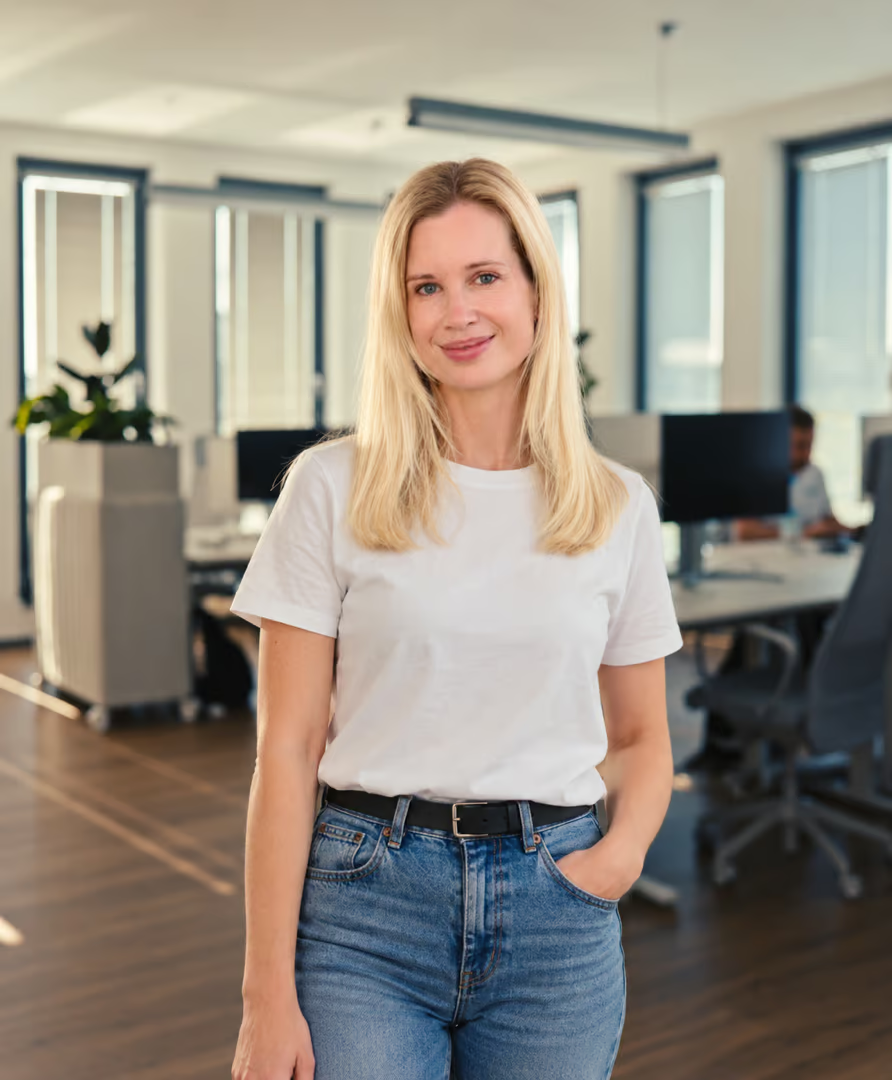
Karin Killander
Head of Communications
Karin Killander brings over a decade of experience in early stage startup communications. She has previously built brands in-house for Mosaic Ventures and Connect Ventures, and worked with venture backed companies across deep-tech, climate-tech, AI and the future of work.
milestones