Life-threatening diseases require precision at the cellular level. Qtas new microscopy approach to rare cell detection provides an entirely new understanding of disease. Powered by quantum sensing.
Today, the cells that drive disease the most are often lost in the noise or damaged in the process, limiting what we can learn about each person’s illness.
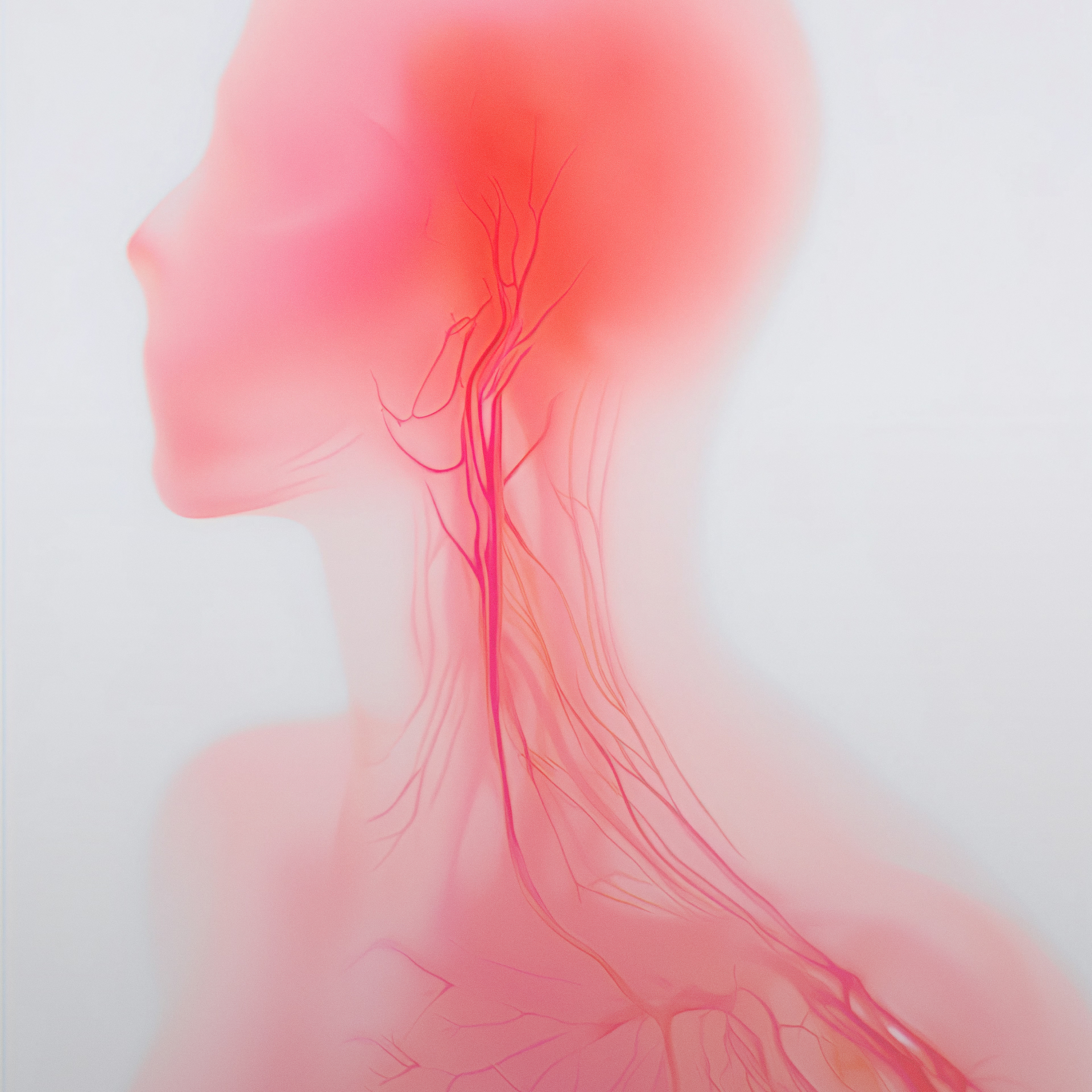

Qtas detects these cells, sorts them, and keeps them intact for analysis, to provide richer biological insight.
From a drop of native sample to sorted rare cells.
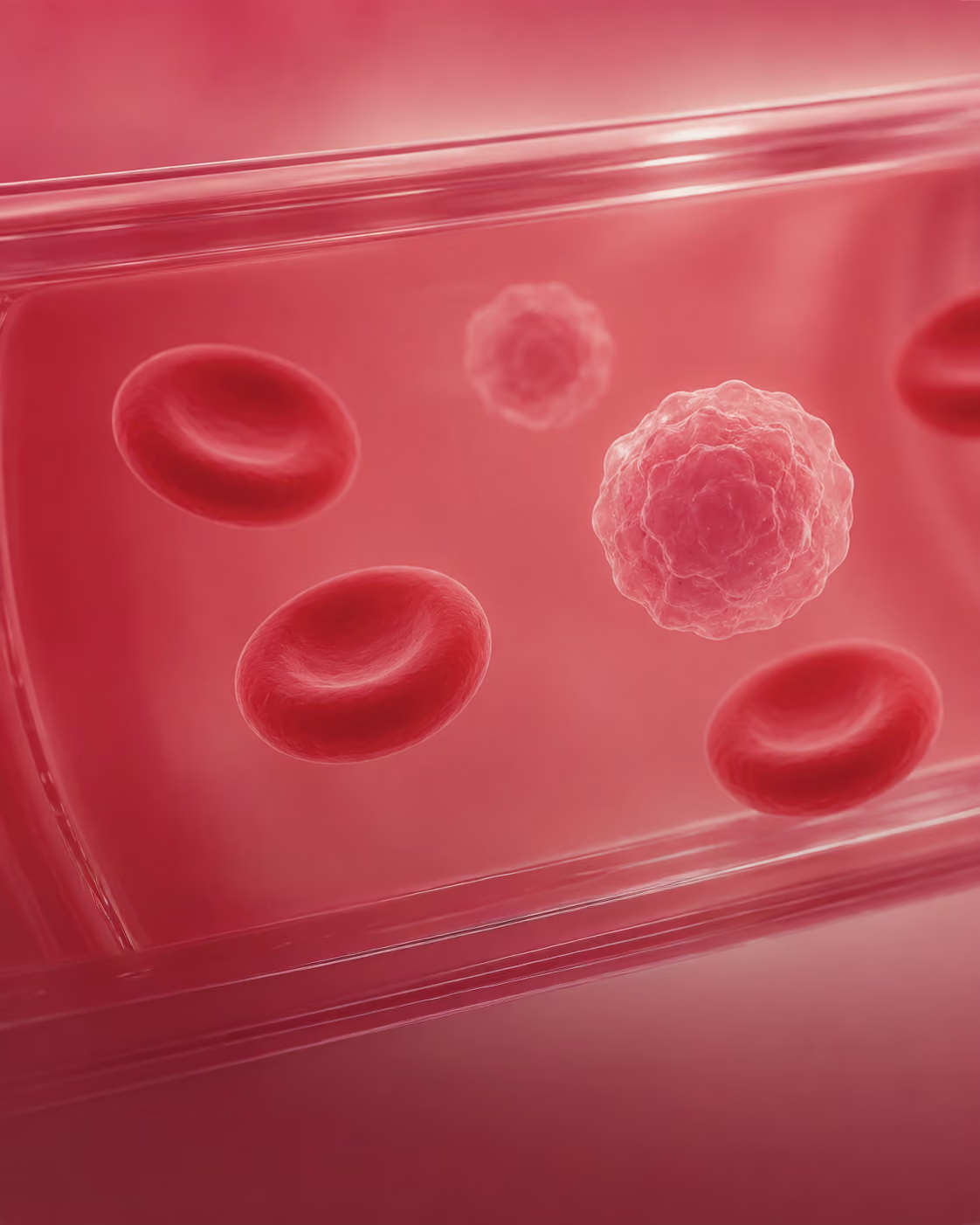
01
Liquid biopsy sample
Start from whole blood or cerebrospinal fluid
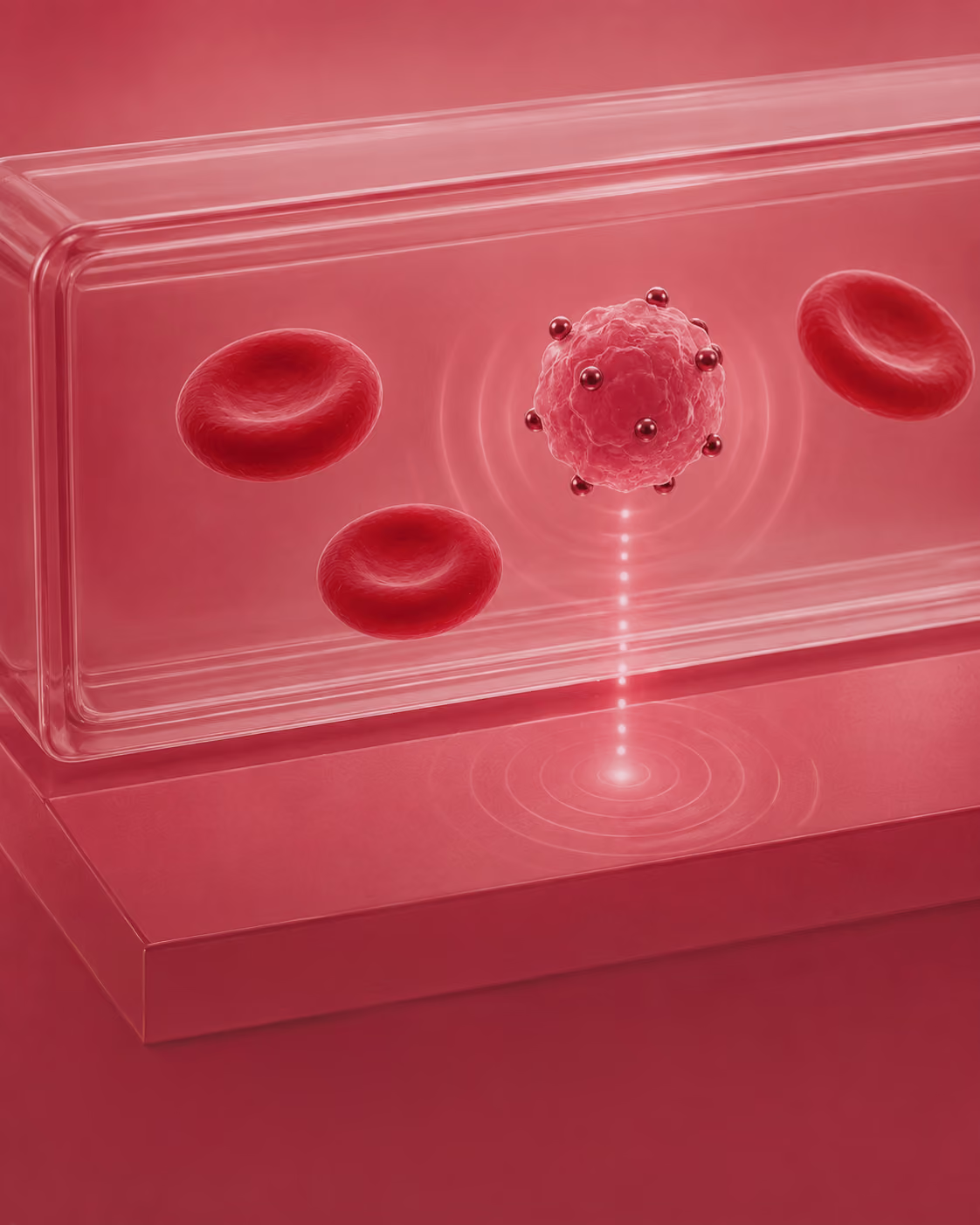
02
Detection
Qtas uses diamond-based quantum sensing to detect rare cells directly in samples
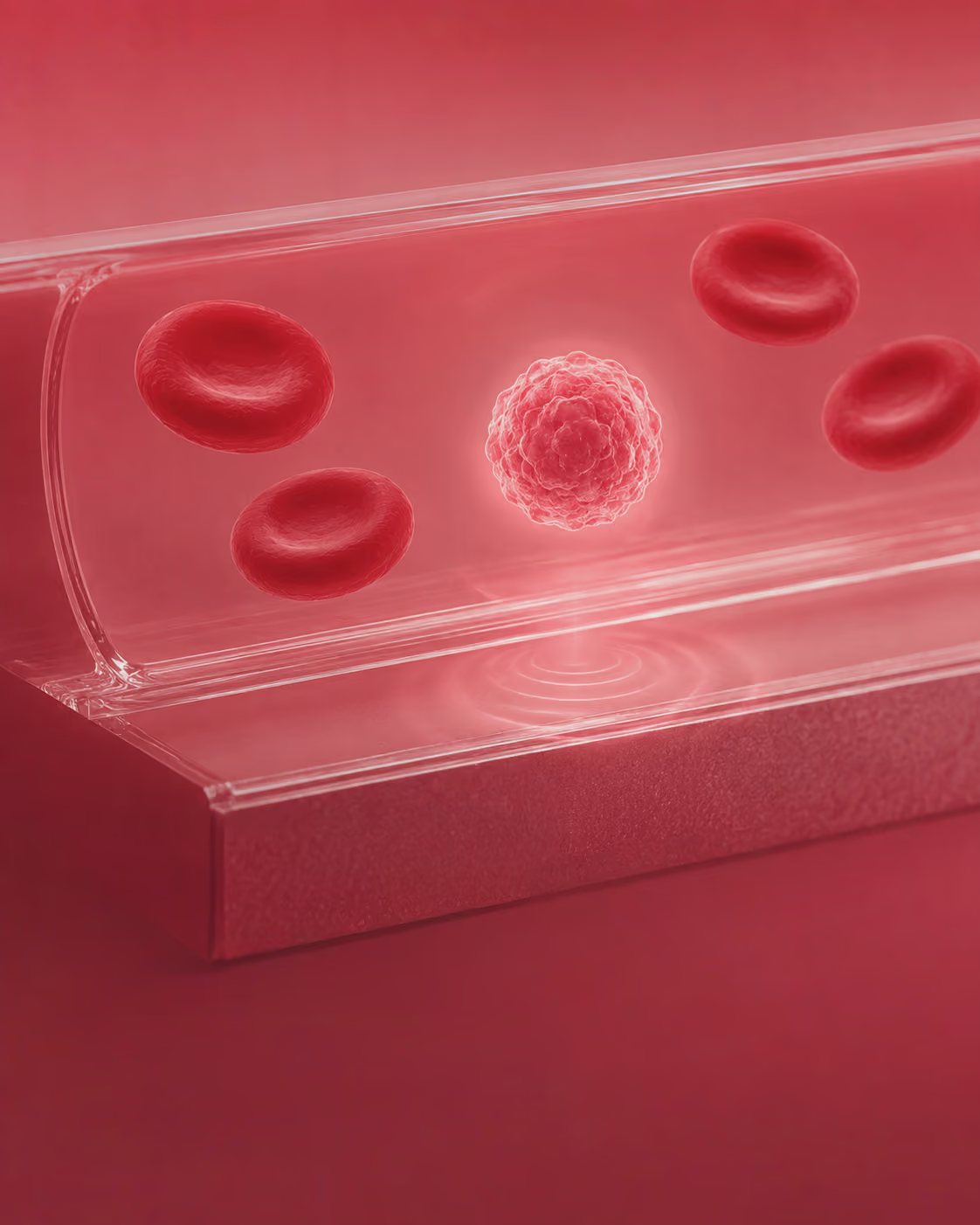
03
Identification
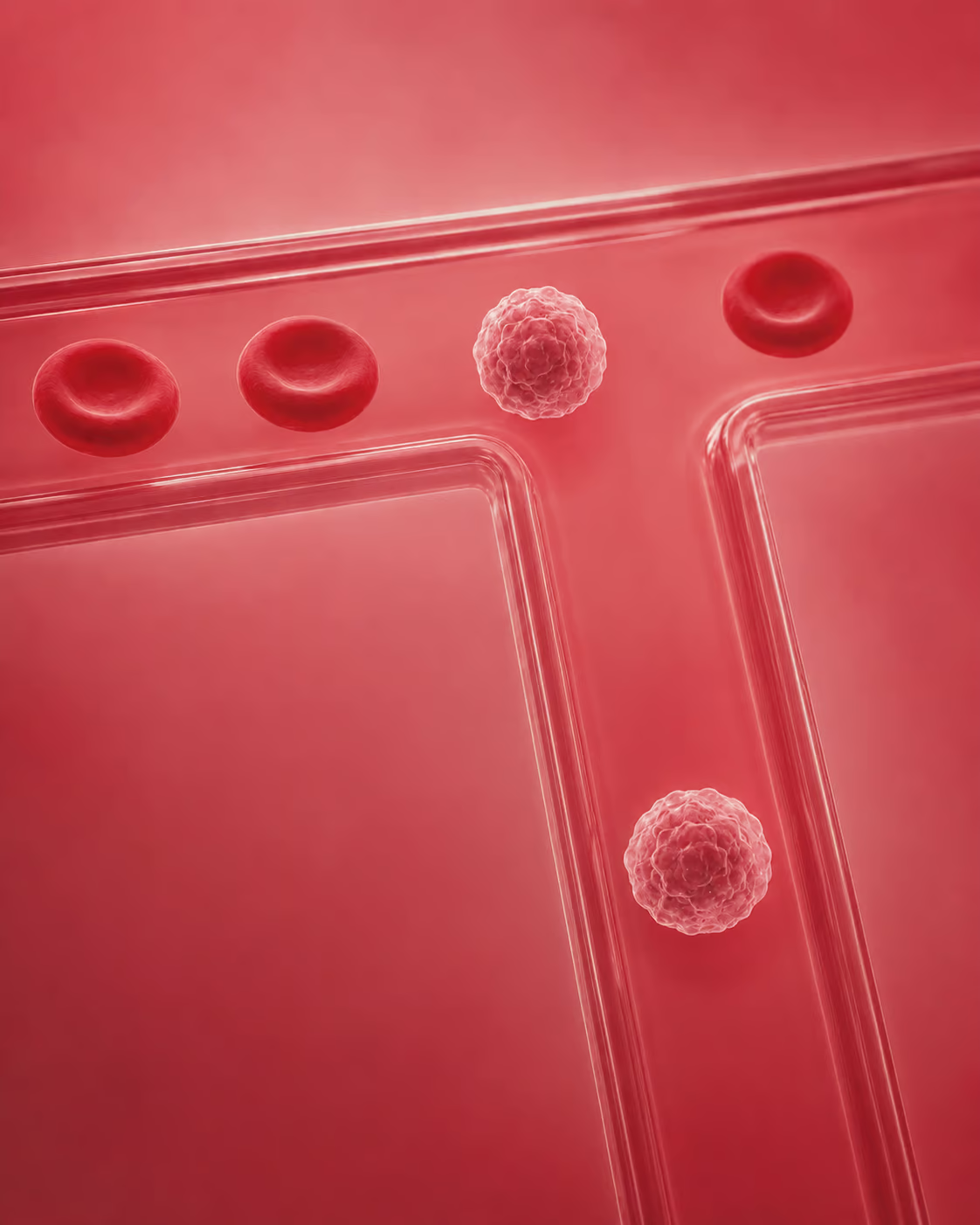
CTCs, rare immune cells, or other low-abundance cell types can be found
04
Sorting
The detected rare cells are then characterised and kept intact for downstream workflows
05
Analysis
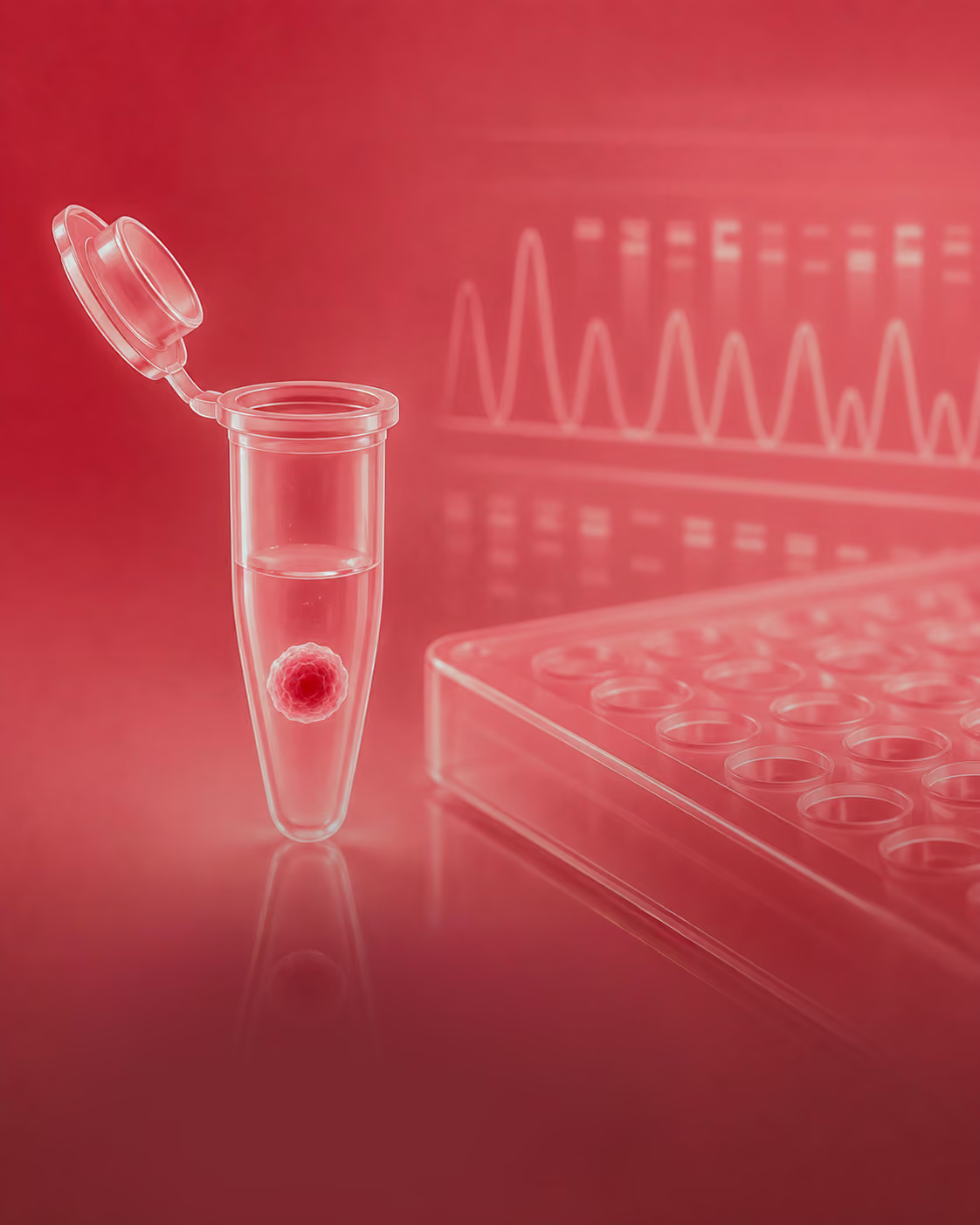
The cells are delivered directly into molecular, genomic, proteomic, or single-cell workflows.
One rare cell can change the answer.
By revealing richer biological insight hidden by bulk and population-average measurements, Qtas turns single-cell precision into more targeted treatment and better outcomes for each patient.
Limit of detection
1 cell
Recovery in model studies
Up to 95%
Sample throughput (mL/h)
Up to 12
Plate compatibility (wells)
96/384
DNA, RNA and protein
3 layers
applications
Microscopic insight. Macroscopic change.

Pharma and biotech
Deeper biological insight and earlier evidence from each patient sample.

Liquid biopsy
Detection of CTCs, rare immune cells, and other low-abundance cell types directly from blood or cerebrospinal fluid (CSF).

Translational research
Direct access to rare cells for molecular, proteomic, and single-cell analysis.
Future clinical applications
Label-free detection for earlier diagnostics and more targeted treatment.
Validation projects
Beyond theory.
Qtas is working with partners across pharma, biotech, and the liquid biopsy ecosystem to validate the platform.



Qtas builds on the same physics as a traditional MRI. But instead of imaging organs inside the body, it reads the magnetic signals around individual cells.