Life-threatening diseases deserve precision at the cellular level. Qtas introduces a fundamentally new microscopy approach to rare cell detection enabling an unprecedented understanding of disease. Powered by quantum sensing.
Today’s biopsy technologies often lose rare, intact cells and precious sample, add workflow complexity, and limit the biological information available for downstream analysis.
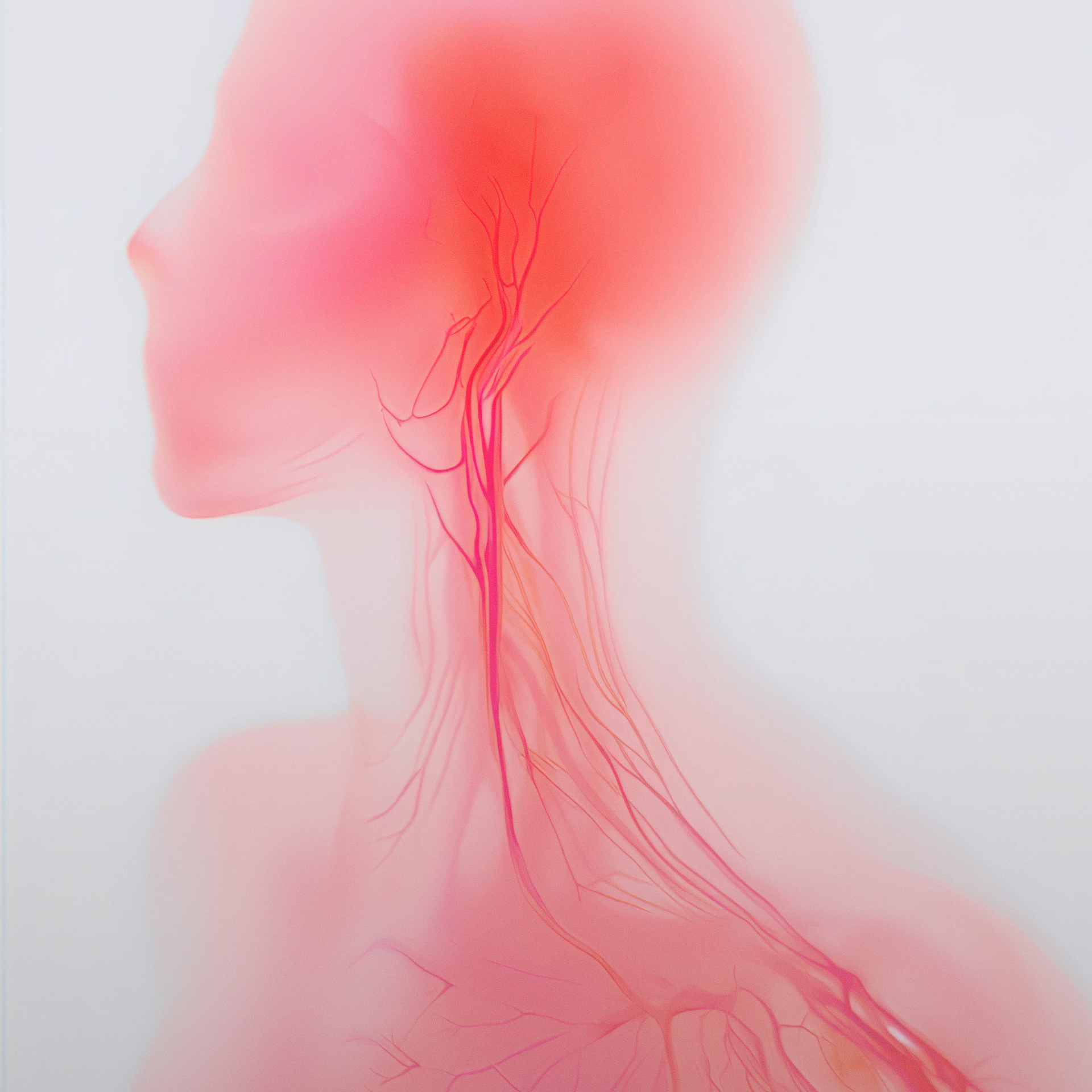

From one cell to all humanity
Qtas changes the equation from sample loss and workflow complexity to intact-cell recovery and richer biological insight.
From a drop of native sample to sorted rare cells.
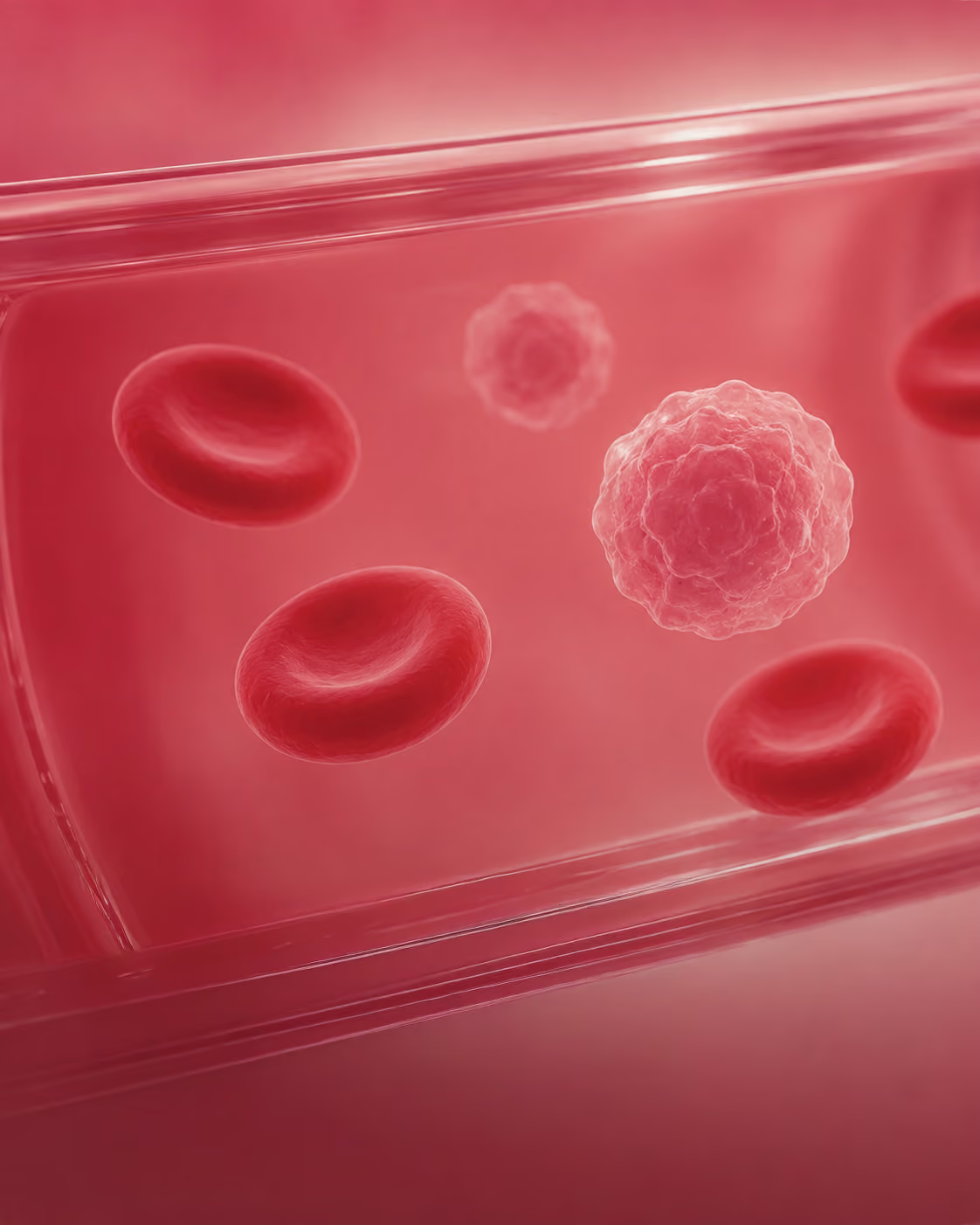
01
Native biological sample
Start from whole blood, spinal fluid, or another unprocessed biological fluid.
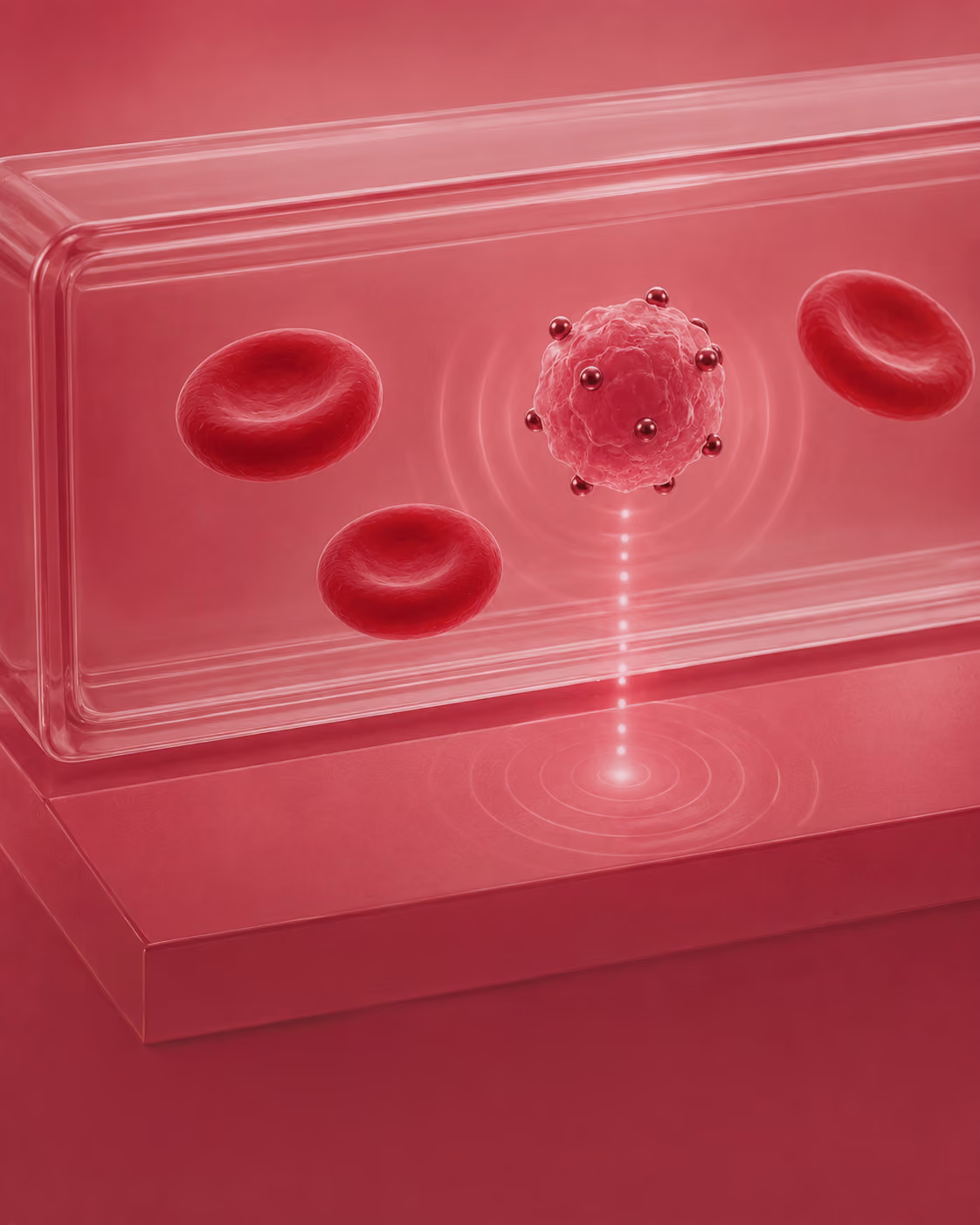
02
Quantum-sensor detection
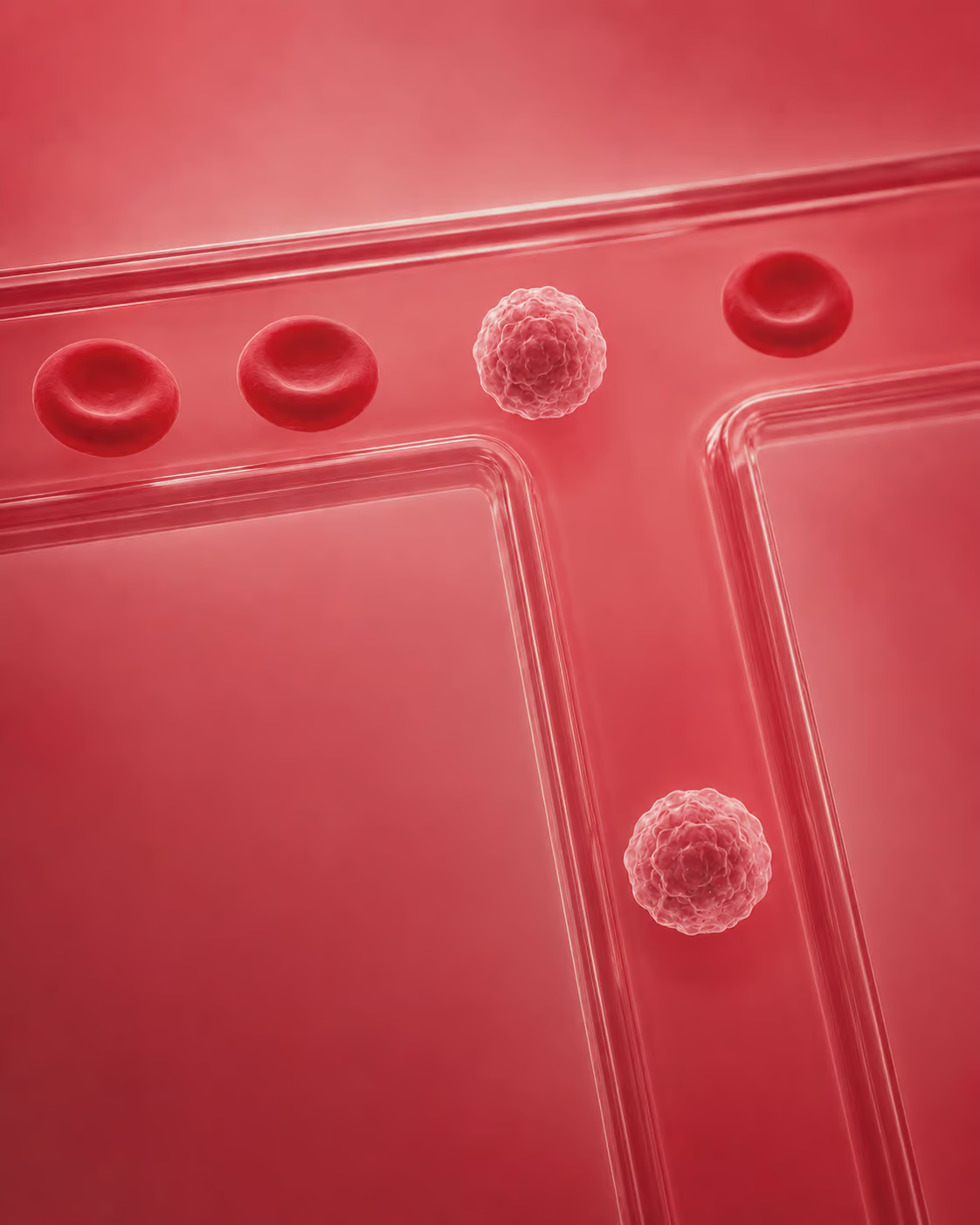
Qtas uses quantum sensors and a novel microscopy method to identify rare cells directly in complex samples.
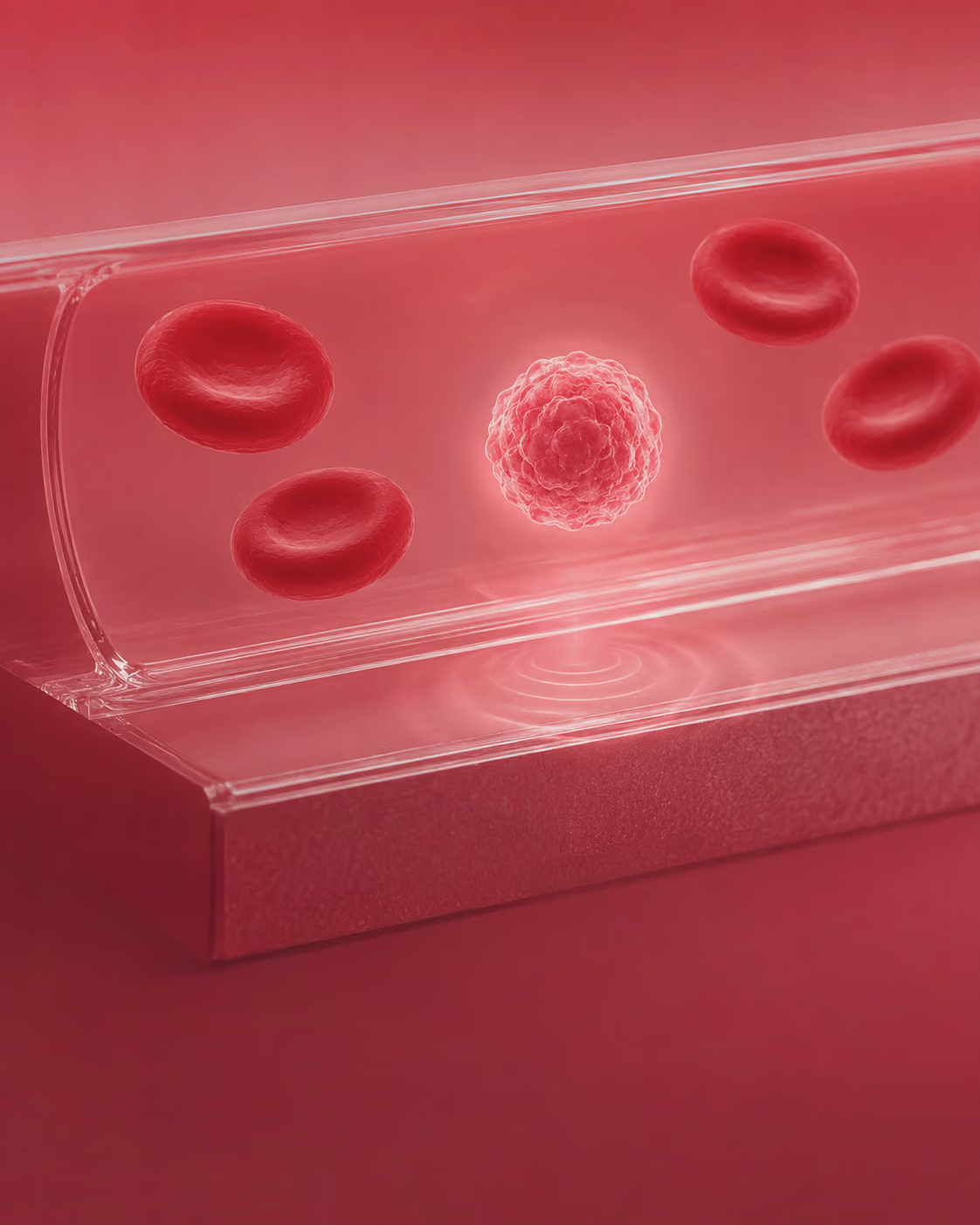
03
Rare-cell identification
Rare cells such as CTCs, rare immune cells, or other low-abundance cell types can be detected within the sample.
04
Sorting & single-cell selection
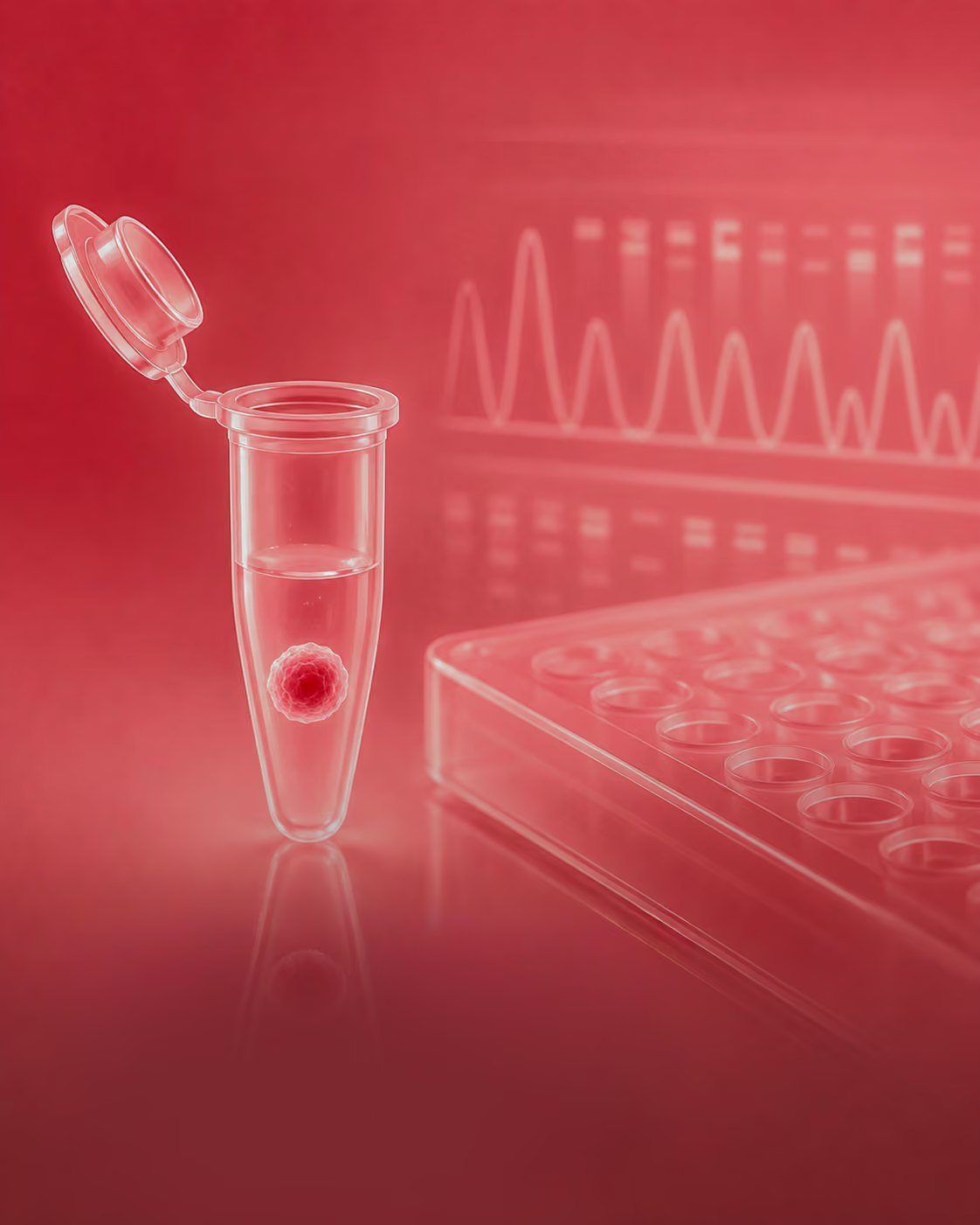
Detected rare cells can be sorted or accessed for further analysis.
05
Downstream analysis
Qtas can act as an upstream tool for downstream workflows such as molecular, genomic, proteomic, or single-cell analysis.
One rare cell can change the answer.
Qtas has built the world's smallest MRI to detect and recover intact individual cells from low-volume samples. By analyzing ultra-rare cell populations cell by cell, the platform reveals biological information that is lost in bulk and population-average measurements. Each recovered cell can be directly characterized and used for functional analysis or downstream DNA, RNA, and protein profiling.
applications
Microscopic insight. Macroscopic change.
Pharma and biotech
Validation projects, rare-cell workflows, translational research, and upstream tools for downstream biological analysis.

Liquid biopsy
Rare-cell detection directly from whole blood and unprocessed biological fluids.
Translational research
Detection and sorting of rare cells such as CTCs, rare immune cells, and other low-abundance cell types.
Future clinical applications
A longer-term path toward more powerful liquid biopsy and rare-cell-based clinical workflows.
Validation projects
Beyond theory.
Qtas is working with partners across pharma, biotech, and the liquid biopsy ecosystem to validate rare-cell detection workflows and generate application-specific data.


Qtas brings together expertise across quantum sensing, microscopy and biology, united by one conviction: that the most critical questions in medicine deserve answers built from first principles.